
Garden planning for the year ahead: a designer’s five Winter tasks
Late Winter offers a fantastic opportunity to transform your garden, if you can make this mindset shift.
Author: Rowan Hine of Rowan Landscape
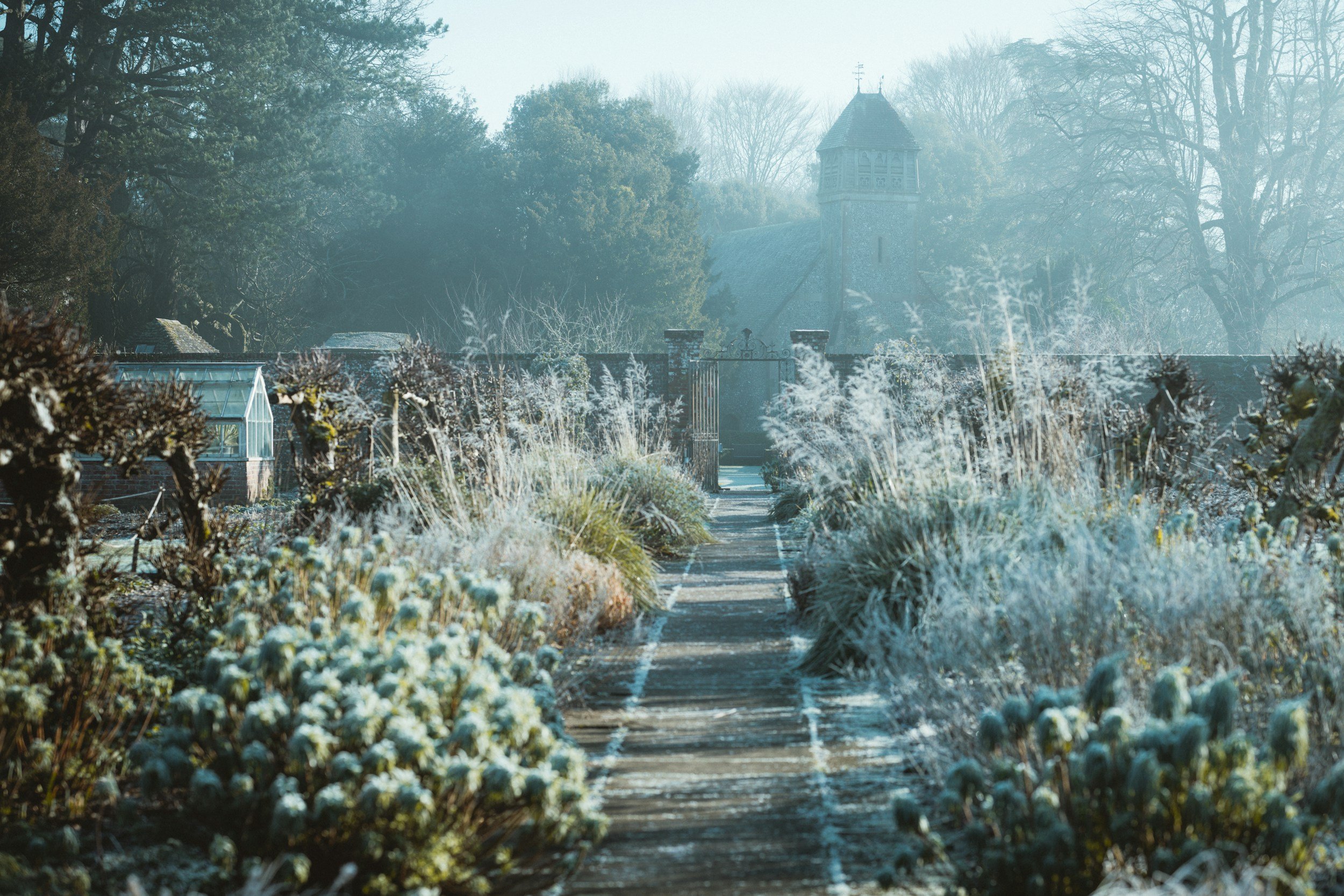
Double border looking excellent in Winter
I am opening my blog series with some thoughts on late winter in the garden. As someone who works with gardens on a professional level, late winter offers a real opportunity to get ahead of the year. There is always the temptation to wait a little longer until Spring. I believe that the best gardens and planting schemes are created when we shift from a fast-paced, consumer-minded approach to a more strategic and proactive relationship with our outdoor spaces.
This philosophy underpins how I work. Gardens should move gently through their natural rhythms. It also happens to save a great deal of time and quite often money. Below are a few practical ideas and concepts to help you approach the coming year more thoughtfully.
The problem with reactive gardening
With the arrival of Spring, so comes the urgency to do something.
Reactive gardening tends to focus on short-term impact. It asks, what looks good right now? Rather than, how will this space evolve through the seasons and over the years? It can also lead to issues such as compacted soil, stressed plants, and a cycle of constant adjustment. Problems are patched rather than resolved.
An alternative
With growth paused and structure clearly visible, late Winter offers a valuable moment to step back, observe, and plan. Taking a proactive view now allows you to make decisions calmly and with intention.

Thoughtful planning of your garden can result in elegant planting schemes that last the seasons - image Shutterstock
Tips for late-winter proactivity
1. Complete hard landscaping before growth begins
Winter is the ideal time for you to undertake hard landscaping. Completing this work now, avoids repeated foot traffic over planted areas later in the season and helps protect soil structure and emerging perennials. Once spring arrives, you’re free to focus on planting rather than navigating around unfinished groundwork. This is also a perfect opportunity to establish some wildlife structures in your garden like sculptural log piles and stacks.
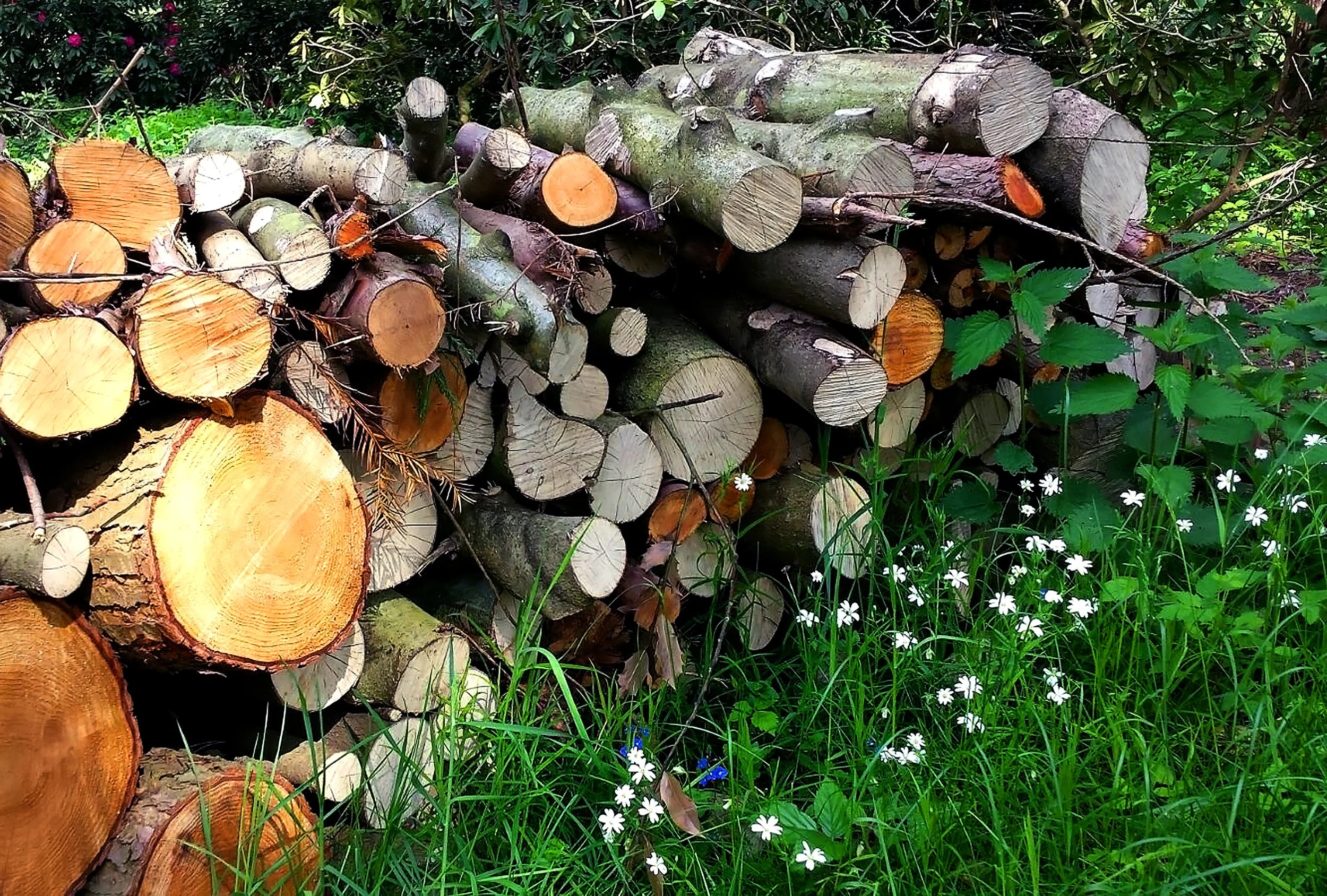
Log piles like these are best constructed in Winter, ready for vegetation to pop up around them in Spring - Image Shutterstock
2. Mulch borders before new growth emerges
Applying mulch in late winter helps conserve moisture, improve soil structure, and suppress weeds before they become established. You’ll also be supporting soil biology at a time when plants are preparing to grow.
3. Observe how your garden behaves in winter
January and February reveal things that are easy to miss in summer. You may notice where frost lingers, where shade falls during the day, and where water collects after heavy rain. These observations are invaluable when planning planting later on, rather than forcing unsuitable choices.
4. Plan with structure in mind
You should use this time to think beyond spring colour. Consider evergreen framework, repetition, and how the garden will look across the whole year. A well-planned planting scheme balances seasonal interest with permanent structure, creating a space that feels intentional even in the quieter months. If you find your garden is lacking structure from trees or shrubs, late winter is the ideal time to source and plant new ones. I personally find myself leaning towards low growing domes of Pinus mugo and architectural trees such as Eleagnus, Aralia and Mahonia.
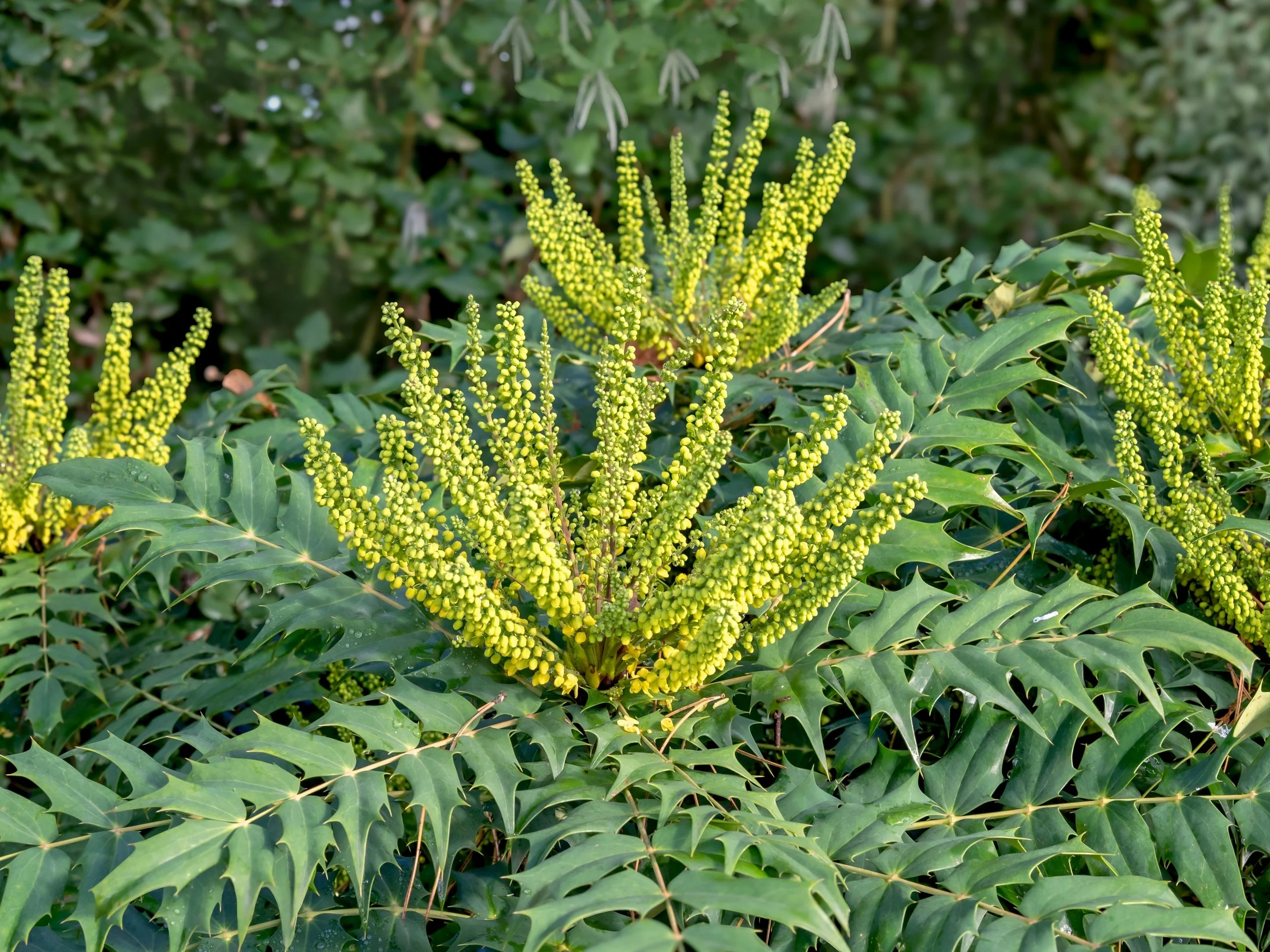
Winter flowering, evergreen and strongly architectural - Mahonia stands out as a top choice for garden structure - Image Shutterstock.
5. Prepare soil gently and avoid compaction
Wet winter soil is easily damaged. Try to keep foot traffic off borders where possible, and take the opportunity to improve soil with organic matter if conditions allow. Healthy soil is the foundation of resilient planting, and small improvements made now will pay off throughout the growing season.
Ultimately, late winter invites us to slow down and think differently about our gardens. By observing first, planning carefully, and working with the natural pace of the seasons, we can create spaces that feel more balanced and resilient. A proactive approach lays the groundwork for everything that follows. Healthier soil, stronger planting, and a garden that evolves gracefully over time.
This way of working sits at the heart of how I approach design and gardens. Understanding the space before shaping it, so each decision becomes considered, purposeful, and long lasting.
